


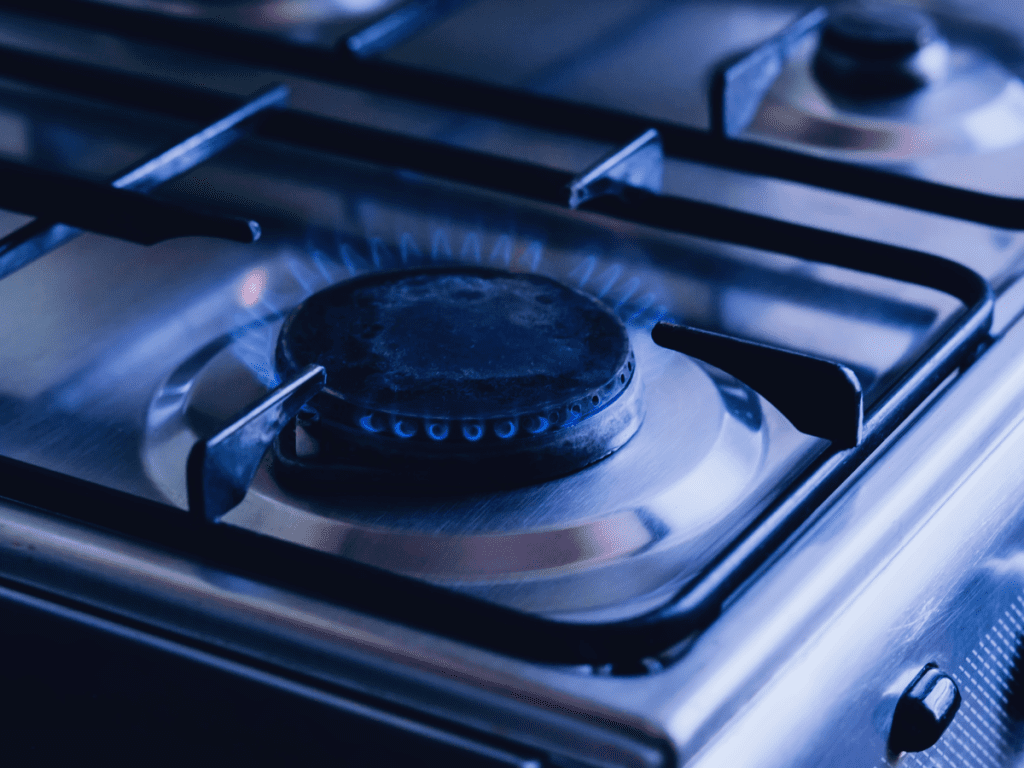
In modeling NO2 across the country, researchers considered common home types and population density as well as outdoor factors such as wind, temperature and air quality to get a detailed picture of indoor and outdoor attributable rates of NO2.
Where you live matters. If details about my home here in New York were applied to Missoula, Montana, me and my family’s exposure would drop from 17.05 to 2.95 ppb outdoors.
David Holt, president of the Consumer Energy Alliance, an industry advocacy group, says that the Stanford University study is yet one more data point for consumers evaluating their risks, but that the risks must be weighed against financial costs of switching off gas. “We’re all environmentalists, right?” Holt says. “We want a cleaner environment for our children … but it’s got to be that balance: environmental performance, affordability, and reliability.”
When I weigh the risks, I — like many of our readers — have to think about the costs. Replacing your stove is expensive. And if you are a renter like me, it might be unfeasible. Studies suggest, though, that air purifiers with HEPA and carbon filters can lower indoor NO2 levels.
Marshall says my experience is a common story. Replacing a gas stove and sometimes rewiring your own home (if you own) can be costly, he says. Marshall cites a study that looked at three interventions: replacing a gas stove, improving your range hood exhaust and using an air purifier. Of the interventions, the purifier and electric stove decreased levels the most.
Magali Blanco, assistant professor in the department of environmental and occupational health sciences at the University of Washington, says that it’s true that environmental risks are higher for lower income individuals. “But I don’t think it necessarily means that if you don’t have a ton of resources that you can’t keep yourself safe.” Blanco points to using more electrical appliances at home such as a kettle, microwave or pressure cooker to lower NO2 gases.
Kashtan hopes the new research powers long-term health studies and influences future policymaking. In the paper, the scientists write that providing a more complete picture of who is most exposed to this pollution “may help decision-makers prioritize locations for building electrification and ventilation retrofits.”
Gas stove acolytes, I hear you. I am still processing the health risks. Costs tie my hands a bit on switching to an induction stove, but maybe I can charm my landlord.