
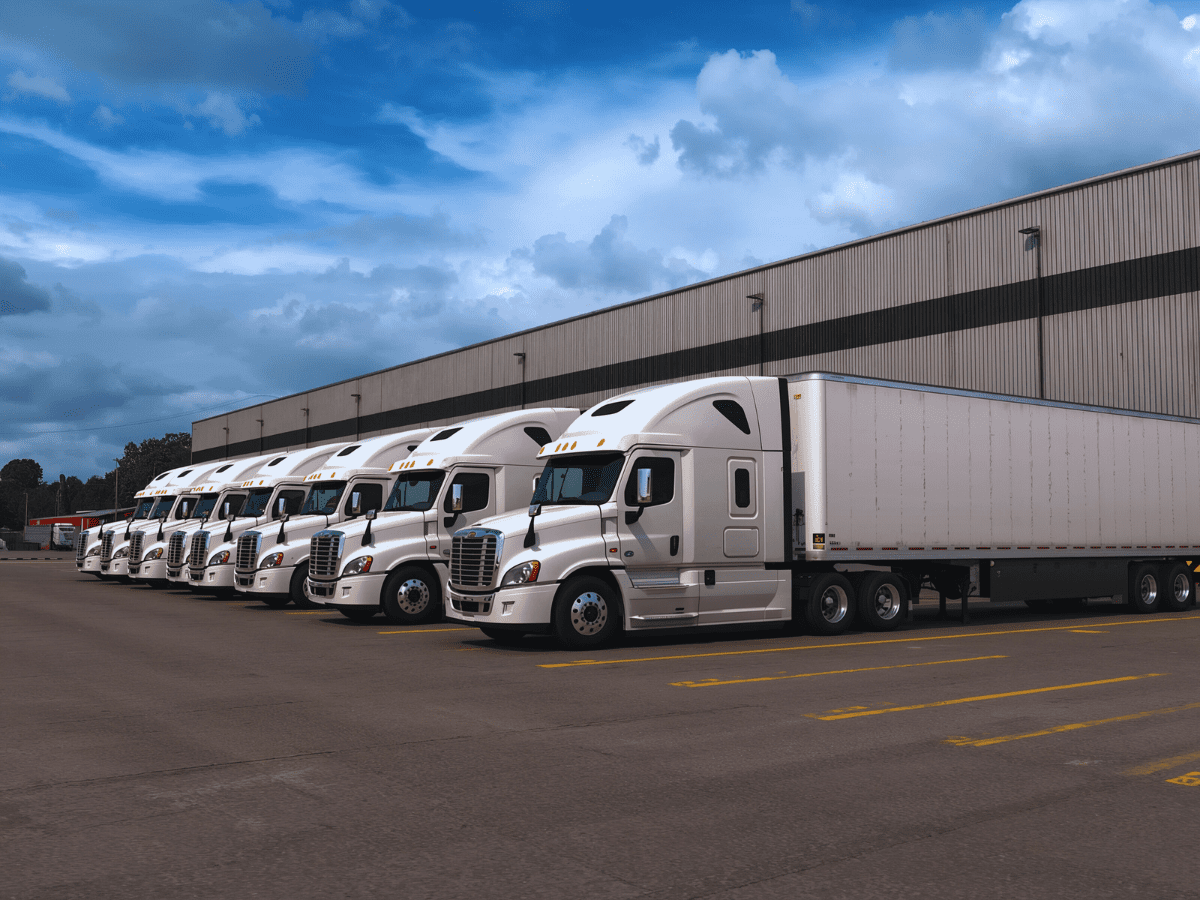
When the power goes out, utility fleets roll in. These trucks aren’t just vehicles but lifelines for communities bracing against hurricanes, ice storms, wildfires, and everything in between. Utility fleets are often the first on the scene, equipped with tools and strategies to restore power and bring order back after chaos.
“Utility fleets are essential to a company’s overall grid resilience planning and strategy. By thoughtfully equipping a fleet for multiple scenarios, utilities ensure workers are able to quickly address necessary storm-related repairs to minimize impacts on consumers,” explained Maddie Milam, Consumer Energy Alliance Midwest Executive Director.
Preparing Fleets Before the Storm Hits
Fleet readiness isn’t a once-a-year checklist. It’s an ongoing process that evolves after every storm.
“After each weather event, utility companies build off lessons learned to improve preparedness for the next major storm,” Milam noted.
That means more than just keeping vehicles fueled. Fleets are staged with the exact equipment crews need to handle different emergencies, from underground cable repairs to transporting mobile command centers. Companies also conduct drills throughout the year, so crews know how to respond in real-world conditions.
It’s not just about the trucks, it’s about protecting the people inside them. Utilities prioritize the safety of the crews who put in long hours to bring electricity back online, often under the most challenging circumstances.
Partnerships That Keep the Lights On
No fleet works in isolation when a storm levels a community.
“One of the most important partnerships during major weather events lies within the coordination between utilities, government and emergency response teams,” Milam pointed out.
This collaboration often extends across states and even national borders. After Hurricane Helene, nearly 50,000 utility workers from 40 states and Canada mobilized to help. To make this possible, governments issued waivers that cut through red tape, such as temporary relaxations on commercial vehicle restrictions and fast-tracked equipment permits.
“Many utility companies act as first responders after weather-related disasters, deploying alongside other emergency response teams,” Milam said.
The ability to share personnel, trucks, and equipment across regions dramatically reduces downtime for communities waiting for power restoration.
Learning From Past Storms
Every storm becomes a case study. Utilities walk away with new insights into what worked, what didn’t, and how fleets can adapt.
“With every storm comes new solutions and valuable reports that reshape each utility company’s strategies. Storms such as Hurricane Helene taught utilities many lessons, such as the importance of innovation,” Milam explained.
The focus is now on diversified fleets. Trucks need to handle restoration, communication, and construction. Flexibility is key because no two storms are the same.
Why Traditional Vehicles Still Rule
While alternative fuels and EVs are finding their place in many industries, reliability remains non-negotiable in storm response.
“Traditional vehicles remain the workhorses of fleets that demand 24-7 reliability and portable fueling options,” Milam said.
For now, diesel and gasoline powertrains continue to dominate disaster recovery. Portable fueling options and proven dependability mean these trucks can keep running in conditions where infrastructure is compromised.
Technology as a Force Multiplier
Modern utility fleets don’t just rely on horsepower, they rely on brainpower, too. Technology is shaping faster, safer responses.
“Modern storm response is defined by real-time information sharing and coordinated decision-making,” Milam explained.
When traditional communication channels fail, utilities turn to cellular satellite radios and RF channels to stay connected. GPS systems and drones help crews identify priority areas, while onboard technology ensures the right equipment gets where it’s needed most.
Utilities are even hiring meteorologists to provide real-time weather analytics.
“This real time information also helps utilities communicate expectations to consumers during the lifecycle of a storm,” Milam added.
Utility Fleets are the Backbone of Grid Resilience
Utility fleets may not always make headlines, but they’re the backbone of grid resilience. From staging equipment before a storm to coordinating with government partners and leaning on technology, these fleets are redefining what it means to respond quickly and effectively when disaster strikes.
As Milam summed up, utilities prove their commitment to resilience by building and maintaining fleets that can adapt, innovate, and deliver, no matter what Mother Nature throws their way.